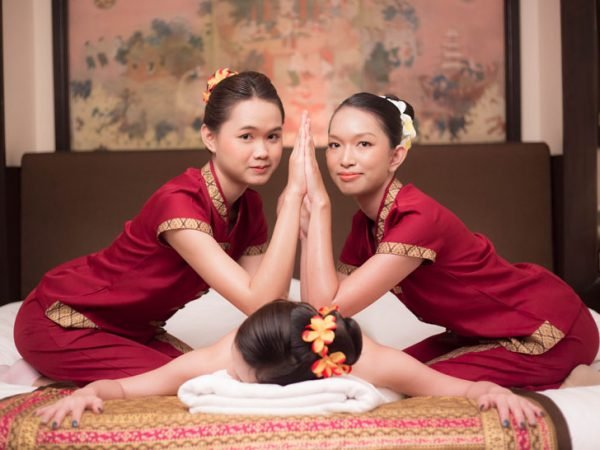

Do you finish a busy day feeling physically tired but mentally unable to switch off? Tight shoulders and restless thoughts may remain even after you lie down. Relax Massage is designed for moments like these. It uses slow movements, comfortable pressure, and a calm setting to help the body feel less tense and the mind feel quieter.
Relax Massage may be enjoyed at a spa, through an Outcall massage service, or as a private Home Massage session. The right option depends on the atmosphere, privacy, and convenience you prefer.
What Is Relax Massage?
Relax Massage is a wellness-focused massage style that prioritises comfort and general relaxation. It commonly includes long gliding strokes, light-to-moderate pressure, gentle work around the neck and shoulders, and optional massage oils.
The supplied source material describes it as a combination of rhythmic touch, effleurage, light acupressure, essential oils, and optional hot stones. Its purpose is relaxation rather than intensive medical treatment.
The National Center for Complementary and Integrative Health, or NCCIH, defines massage therapy as manipulation of the body’s soft tissues for health or wellness purposes. Because “Relax Massage” is not one universal medical protocol, the routine may vary between providers.
How Can Relax Massage Help the Mind Feel Calmer?
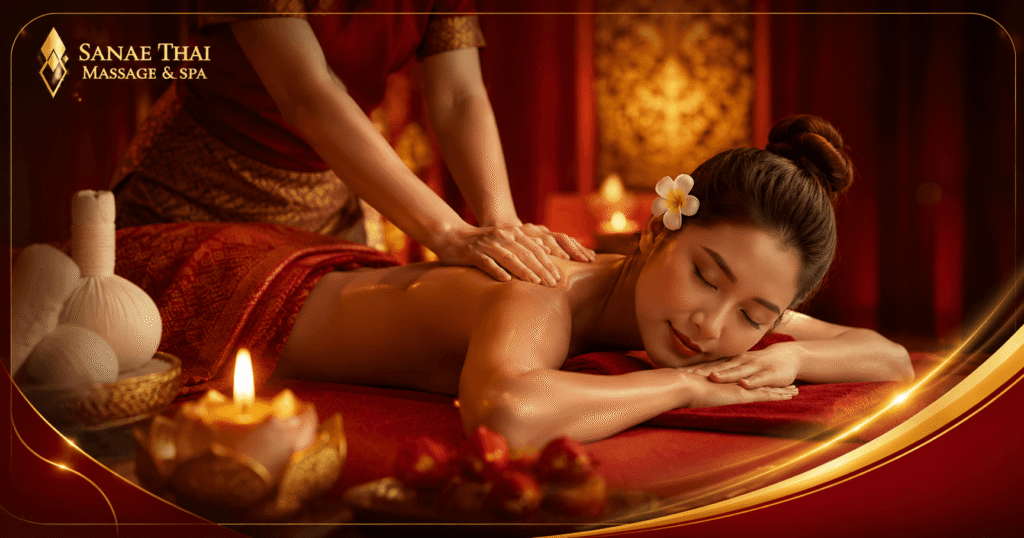
The experience does not come from touch alone. Slow movements, predictable pressure, comfortable positioning, low noise, privacy, and time away from work or phones may all support relaxation.
A randomised study involving older adults found that massage participants reported improvements in perceived stress and well-being compared with a guided-relaxation group. Another study found that both soft shoulder massage and quiet rest increased subjective relaxation, suggesting that the restful setting itself may also matter.
The realistic expectation is not that Relax Massage will permanently remove stress, but that it may create a structured period for the body and mind to slow down.
Which Techniques Are Commonly Used in Relax Massage?
How Does Effleurage Create Relaxation?
Effleurage consists of long, flowing strokes applied with the hands or forearms. It is often used at the beginning of a session because it introduces touch gradually.
Rather than pressing aggressively into one point, the therapist follows the muscles in a steady rhythm. This makes the experience feel smoother and less abrupt.
Is Light Pressure Better Than Deep Pressure?
Neither is automatically better. Light or moderate pressure often suits people who want to unwind, are new to massage, or dislike intense pressure.
Deep tissue massage uses firmer, targeted techniques and may suit someone seeking focused muscular work. However, it can feel too stimulating when the main goal is rest.
Relax Massage should generally feel comfortable. Sharp pain, burning, numbness, or pressure that must be endured should be reported immediately.
Do Essential Oils Improve the Experience?
Essential oils can add fragrance and atmosphere, but they are optional. Aromatherapy usually involves inhaling essential oils or applying properly diluted oils to the skin. Lavender and chamomile are among the oils commonly used.
A pleasant scent is not the same as a guaranteed medical benefit. NCCIH notes that evidence for many aromatherapy claims remains limited, and lavender aromatherapy may cause headache or coughing in some people.
Clients with fragrance sensitivity, asthma, allergies, or reactive skin may prefer unscented oil.
How Does Relax Massage Compare with Other Massage Styles?
Relax Massage is usually gentler and more rest-focused than deep tissue massage. It often uses oil and long strokes, while deep tissue massage applies firmer pressure to targeted areas. Traditional Thai massage commonly includes compression and assisted stretching and is often performed while the client wears comfortable clothing. Massage techniques and pressure levels can differ considerably depending on the style and intended purpose.
No style is universally superior. The appropriate choice depends on the person’s goals, sensitivity, health history, and preferred type of touch.
Someone who has spent the day travelling and wants to rest may prefer Relax Massage. An athlete seeking focused muscular work may prefer deep tissue or sports massage, while a person who enjoys movement and stretching may prefer traditional Thai massage.
This comparison also shows why clients should not select a massage based only on the idea that stronger pressure produces better results. A relaxing massage is successful when the pressure matches the client’s needs, not when it causes the greatest amount of discomfort.
Is Outcall Massage or Home Massage Better Than Visiting a Spa?
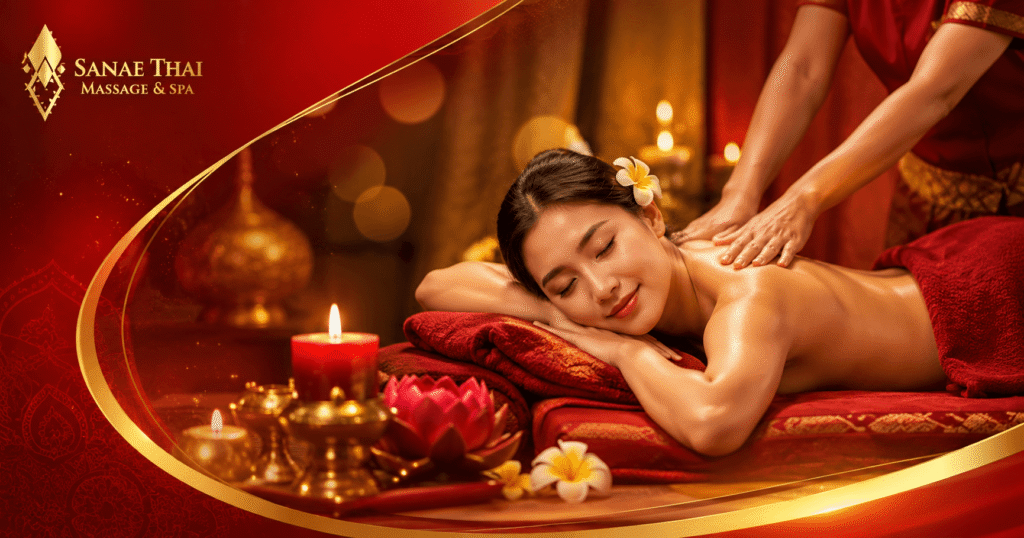
An Outcall massage means that the therapist travels to the client’s chosen location, such as a home, hotel, or serviced apartment. Home Massage refers specifically to a session provided at the client’s residence.
Home Massage offers convenience. There is no journey after the appointment, and the client may control the music, lighting, and temperature. It can be suitable for busy professionals, travellers, couples, or people who relax more easily in familiar surroundings.
A spa offers different advantages, including a dedicated treatment room, permanent equipment, reception support, and separation from household interruptions. Clients do not usually need to prepare a suitable massage area or organise access for the therapist.
Consider two clients. Anna lives alone and has enough quiet space for a massage table, so Home Massage allows her to rest immediately afterwards. Ben shares a busy apartment and has limited privacy, so a spa may provide him with a calmer experience.
The better option depends on the environment, not only the massage technique. Convenience may make Home Massage more appealing, while a controlled atmosphere may make a spa more relaxing for another person.
What Should You Check Before Booking an Outcall Massage?
A professional provider should clearly explain the price, duration, arrival procedure, equipment, techniques, cancellation policy, and service boundaries.
Ask whether the therapist provides a massage table, clean linens, towels, and oils. Confirm your preferred pressure, areas to include or avoid, and whether unscented products are available. Clients should also disclose relevant injuries, allergies, recent surgery, skin problems, pregnancy, or medical conditions.
NCCIH advises clients to ask about a massage practitioner’s training and experience, especially when massage is being considered for a health-related concern.
For an Outcall massage, choose a provider with verifiable contact details, transparent prices, clear service descriptions, and professional communication. The client and therapist should understand the appointment location, access arrangements, expected arrival time, and scope of service before the session begins.
Professional boundaries are also important. A legitimate Relax Massage session should have a clearly explained procedure, appropriate draping, respect for privacy, and the option for the client to refuse work on any area of the body.
What Does a Good Relax Massage Session Look Like?
Imagine Maya, a remote worker who spends most of her day in online meetings. By evening, she feels mentally overloaded and notices mild shoulder tightness. She books a 60-minute Home Massage and requests gentle pressure, no strong fragrance, and extra attention around her shoulders and hands.
Before beginning, the therapist asks about injuries, allergies, sensitive areas, and areas Maya does not want massaged. The therapist starts with slow strokes, maintains consistent pressure, and checks whether Maya feels comfortable.
During the session, Maya notices that her right shoulder feels more sensitive than the left. Instead of remaining silent, she asks the therapist to reduce the pressure. The therapist adjusts the technique and continues without causing discomfort.
The lesson is personalisation. The therapist does not assume that stronger pressure is better, and Maya does not feel that she must tolerate pain to receive a worthwhile massage.
Maya also understands that massage may help her relax, but it will not correct the effects of prolonged sitting by itself. Regular movement, sufficient sleep, workspace adjustments, and appropriate healthcare remain separate parts of well-being.
What Is the Counterargument About Relax Massage?
Supporters sometimes claim that massage detoxifies the body, balances hormones, strengthens immunity, or treats anxiety. These claims may sound persuasive, but the evidence is not equally strong for each one.
One randomised trial involving people with generalised anxiety disorder found that therapeutic massage was not more effective than other relaxing control treatments. This suggests that quiet time, attentive care, and the treatment setting may contribute significantly to the result.
This does not mean that Relax Massage has no value. Other studies have reported reductions in perceived stress, anxiety, tension, or pain in particular groups. However, study results can vary according to the participants, massage technique, session frequency, and outcomes being measured.
The balanced conclusion is that massage may support short-term relaxation and comfort, but results differ between individuals. It should not be promoted as a guaranteed treatment or used to replace professional diagnosis and medical care.
Who Should Be Cautious Before Receiving Massage?
Massage is generally considered low risk when performed appropriately, but it is not suitable for every situation. NCCIH reports that rare serious complications have occurred, particularly after vigorous massage or in people at higher risk of injury.
Seek medical advice before booking if you have:
- A diagnosed or suspected blood clot
- Recent surgery or a recent fracture
- An acute infection or fever
- Unexplained swelling or severe pain
- Fragile bones or a high risk of injury
- A condition or medication that increases bleeding risk
- A skin infection or open wound in the massage area
Pregnant clients should select a therapist trained in appropriate prenatal techniques. During any session, the client should immediately report sharp pain, dizziness, numbness, breathing difficulty, or unusual discomfort.
What Should You Remember About Relax Massage?
Relax Massage is a gentle, comfort-focused experience that uses slow movements, suitable pressure, and a calming environment to help people pause and feel more relaxed. It may be provided at a spa, through Outcall massage, or as a Home Massage session.
Its value lies in professional practice, clear communication, realistic expectations, and personal comfort—not dramatic medical promises. The best experience comes from selecting an appropriate provider, discussing personal preferences, and choosing a location where you genuinely feel safe and able to relax.